A House-Sized Refrigerator: How Reefer Containers Save Small Businesses
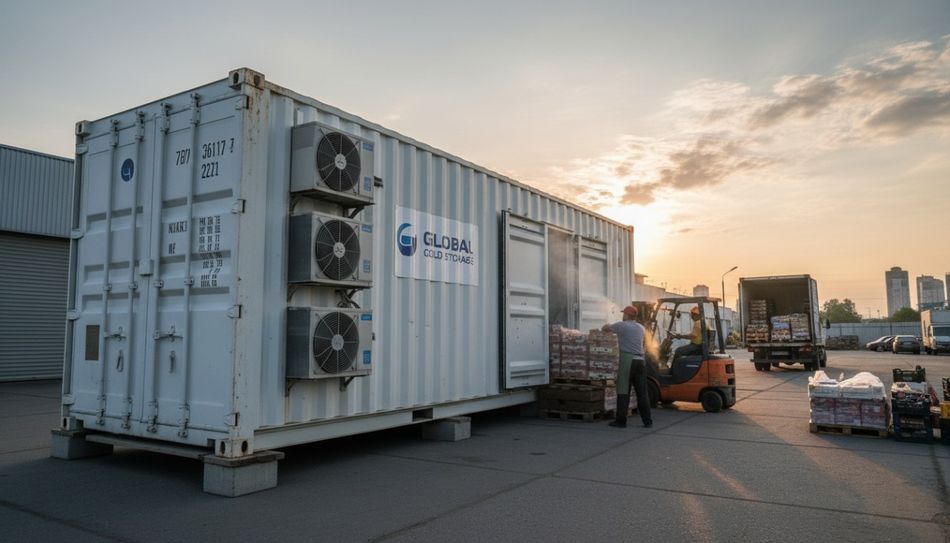
When it comes to storing products that require a strict temperature regime, entrepreneurs usually imagine two paths: either building an expensive stationary cold warehouse or renting space in huge cold storage plants. Both options have their downsides — from giant capital investments to logistical complexities. However, there is a "third way" that in recent years has become a salvation for farmers, florists, and owners of small productions. We are talking about refrigerated containers.
In essence, such a module is a huge thermos equipped with a powerful refrigeration unit. The main beauty is that it is autonomous. You do not need to erect walls, insulate them with sandwich panels, and invite engineers to design a complex cooling system. You simply decide to buy a sea container with a refrigeration unit, connect it to the grid — and in an hour you have a ready-made chamber capable of maintaining temperatures from -30°C to +25°C. For a small business where the budget is always limited, such speed of startup and mobility become decisive factors.
Why is this more profitable than permanent construction? Firstly, the price. A finished reefer container will cost many times less than erecting a cold room of similar volume from scratch. Secondly, liquidity. If your business grows or changes direction, you can always sell the container as a finished piece of equipment. Thirdly, the accuracy of settings. Modern units allow you to maintain a microclimate with an accuracy of one degree, which is critical for storing berries, flowers, or elite varieties of cheese.
For those who are not ready to buy right now or deal with a seasonal product (for example, an apple harvest or tulips by March 8), sea container rental with a cooling function is optimal. This allows you to cover the need for storage during peak months without freezing working capital. You take the equipment into work exactly when it brings profit and return it when the season is over. At the same time, you do not pay for "air" and do not spend money on maintenance of idle machinery.
From a technical point of view, a reefer container is very durable. Its body is made of stainless steel and aluminum, and dense polyurethane foam is used as insulation. This means that even if the power is cut off, the chamber will hold the cold for a long time, working like a high-quality household thermos. An important tip for those planning an installation: make sure that your power grid can withstand the starting loads of the compressor, and ensure free air access to the unit for system cooling.
In modern realities, a refrigerated container is more than just equipment. It is the mobility of your business. Today your warehouse stands in the suburbs near the farm, and tomorrow you transport it to the city to the point of sale. Such flexibility allows you to quickly respond to market demands and minimize product losses. It is a simple, reliable, and most importantly, time-tested solution for those who want to develop their business without unnecessary construction complexities and bureaucratic red tape.


