How Do Reefer Containers Work?
Refrigerated containers (reefers) are designed for transporting and storing temperature-sensitive cargo. Their operation is based on forced air circulation, ensuring a stable temperature and humidity level regardless of cargo placement inside the container.
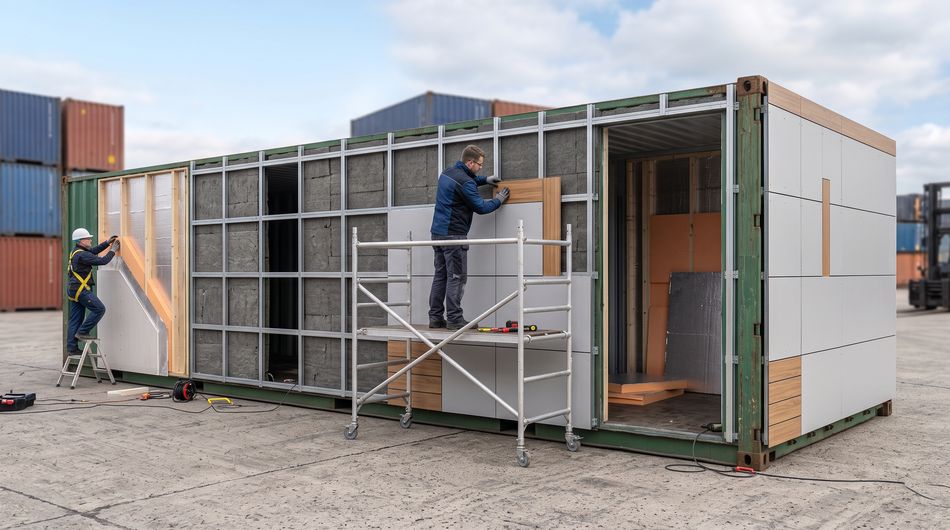
Thanks to multi-layered walls and airtight doors, a reefer container works like a thermos: minimizing heat loss and reducing energy consumption. For shipments requiring different temperature zones, multi-temperature containers allow for separate climate-controlled sections within a single reefer.
Reefer Container Construction
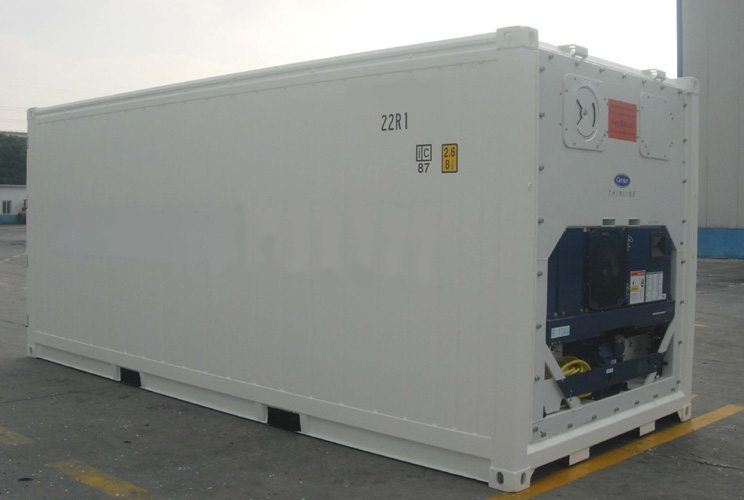
A modern refrigerated container consists of two key components:
-
Container Body – includes a structural frame and insulated sandwich panels with polyurethane foam.
- Exterior layer – duralumin sheet.
- Interior layer – food-grade stainless steel (0.6 mm thick).
- Floor – T-shaped aluminum profile designed to support warehouse equipment.
-
Refrigeration Unit – located at the front of the container, maintaining the required temperature.
How Does the Refrigeration Unit Work?
The reefer unit automatically regulates temperature and humidity, ensuring optimal storage conditions.
Key Features:
- Operates on three-phase power (380V / 50Hz).
- Power consumption: 4-6 kW, depending on temperature settings and season.
- Equipped with an electronic control system for:
- adjusting temperature and humidity,
- setting defrost cycles,
- diagnosing system errors.
- Uses refrigerants R-409A and R-134A.
Types of Refrigerated Containers
Reefer containers come in several standard sizes:
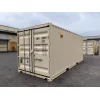
- 20-foot containers – compact, ideal for small cargo loads.
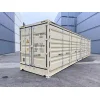
- 40-foot containers – suitable for large shipments.
- HiCube containers – increased volume, used for lightweight but bulky goods.