What Does Your Cargo Smell Like? Combating Residual Odors in Used Containers
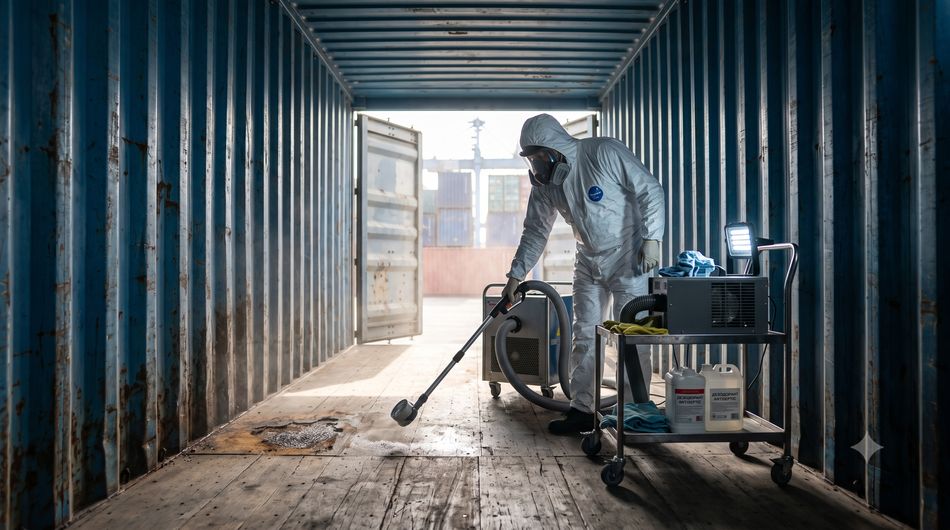
Buying or renting a used shipping container for storage is an economically viable and quick solution. A durable steel frame, hermetic doors, and a ready-made site seem like an ideal option for storing anything: from textiles and upholstered furniture to grain and packaged food products.
However, over the years of service on international lines, a container could have transported thousands of tons of a wide variety of cargoes. And while visual cleanliness, the absence of rust, and tightness are easy to check, one hidden factor is often discovered too late. This is the residual odor.
If you plan to store goods capable of absorbing aromas, the "legacy" of previous freights can turn into a financial disaster. Let's look into where embedded odors come from, why they are dangerous, and how to eliminate them.
Why Containers "Smell" and What the Threats Are
A shipping container is a closed ecosystem. The main source of persistent odors is not so much the metal walls as the wooden flooring. Plywood or planks made of tropical wood deeply absorb any liquids. Over the years of operation, the following could have left a trace there:
- Chemical cargoes and polymers: fertilizers, household chemicals, rubber, paint and varnish materials. They leave a sharp, pungent trail.
- Organics: raw fish, seafood, spices, leather, and hides. These are the most persistent, "sticky" odors that only intensify over time under the influence of moisture.
- Dampness and mold: the result of improper ventilation, condensation ("container rain"), or leaking doors.
The main danger: textiles, clothing, upholstered furniture, cardboard packaging, tea, coffee, and any food products have a very high sorption capacity. By placing a batch of new sofas or rolls of expensive fabric in a container with a light chemical or fishy ambergris, in just a week you will get a product that cannot be sold.
Three Stages of Cleaning: From Simple to Professional
Regular airing with open doors, even for a month, is powerless against embedded odors. A comprehensive approach is needed.
Stage 1. Localization and Harsh Chemicals (Wash Away the Source)
Before fighting the odor in the air, you need to remove its physical source on the floor.
- Finding the epicenter: Spill a small amount of clean water on the floor — when wet, old stains will begin to smell stronger, revealing the epicenter.
- Washing out: Use professional alkaline detergents or specialized washes for organics/petroleum products. Regular household chlorine will only temporarily mask the problem and add its own sharp scent.
- Odor eliminators (enzymatic agents): For organic contamination (fish, rot), industrial bio-enzyme cleaners work best. Enzymes break down organic molecules rather than masking them with fragrances. After treatment, the floor must be thoroughly dried with a heat gun — dampness will aggravate the problem.
Stage 2. Ozonation (Total Disinfection)
If general washing did not help, and the smell has eaten into the pores of the wood and microcracks in the walls, industrial ozonation is applied. This is the most effective method for combating stubborn aromas and mold.
- How it works: Ozone gas ($O_3$) is a powerful oxidizing agent. Entering a sealed container, it penetrates into all hard-to-reach places, destroys the shells of bacteria and mold spores, and breaks down molecules of volatile organic and chemical compounds, turning them into harmless carbon dioxide, water, and oxygen.
- Technology: A powerful industrial ozonator is installed inside a closed container for several hours (from 3 to 8, depending on the severity of the case). After the generation cycle, the container is kept closed and then thoroughly ventilated.
- Important: Being inside during the operation of the ozonator is strictly prohibited — a high concentration of gas is dangerous for the lungs.
Stage 3. Sorbents and Barriers (Final Control)
After radical cleaning, it is necessary to play it safe, especially if long-term storage of sensitive cargo is planned.
- Industrial sorbents: Placing bags of activated carbon, silica gel, or specialized odor absorbers based on aluminosilicates inside the container. They will "eat up" microscopic remnants of volatile substances and control the moisture level, preventing dampness from developing.
- Protective coatings: If the floor is deeply damaged and the chemical smell does not completely go away, a radical solution is waterproofing and sealing. The floor is covered with specialized epoxy or polyurethane compounds (coatings) that create a polymer crust, tightly "sealing" odors inside the wood. A more expensive option is laying sheets of galvanized iron or a new layer of moisture-resistant plywood over the old floor with sealing of the joints.
Buyer's Checklist: How to Minimize Risks
To avoid spending resources on deodorization, it is better to prevent the problem at the stage of choosing a container:
- Do not trust a dry inspection. Come to inspect the container in warm weather. In the sun, the metal heats up, a bathhouse effect is created inside, and all hidden smells manifest themselves as brightly as possible.
- Study the markings. Traces of old stickers warning about the transportation of dangerous goods (Hazardous/Dangerous Goods) often remain on container doors. If they are present, you should not take such a container for a textile or food warehouse.
- Assess the condition of the floor. Dark, oily stains on the plywood that cannot be wiped off are a clear sign of spilled technical liquids or organics.


