Cargo and Container Insurance: What Risks Does the Policy Cover?
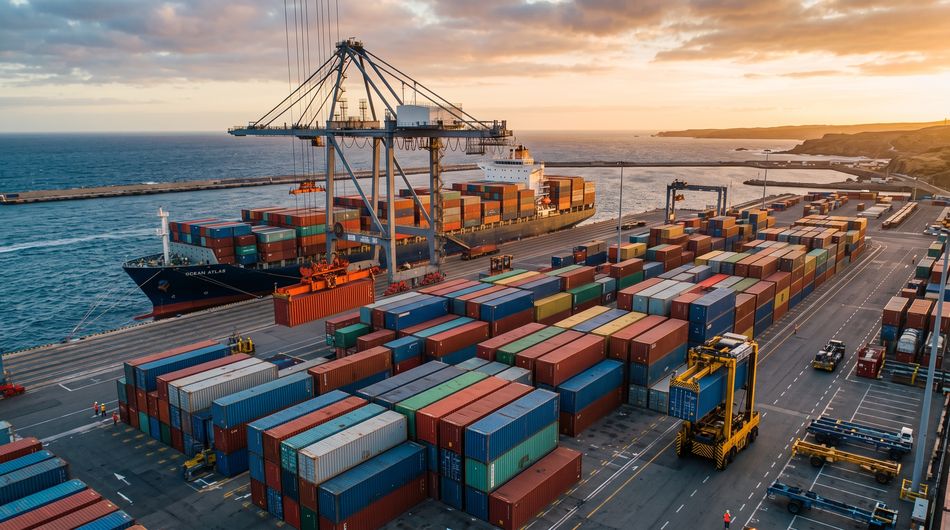
Cargo and container insurance is a topic that many people only remember when something has already gone wrong. A shipping container seems like an indestructible metal box, and transportation feels like a well-established process where everything is insured by default. However, in practice, when an insured event occurs, cargo and fleet owners often face strict claim denials.
Let's break down how container and cargo insurance actually works, what the policy really protects against, and what the insurance company won't pay a single penny for, attributing it all to "wear and tear" or negligence.
Distinguishing the Concepts: What Exactly Is Insured?
The first step is separating the objects of insurance. A cargo insurance policy and a container (equipment) policy are two distinct documents, even if issued for the same shipment.
- Cargo Insurance — protects the value of the goods stored inside.
- Container Hull / Equipment Cover — protects the steel module itself from physical damage or total loss.
If your container flips at a terminal, damaging the cargo inside and puncturing the container itself, without coverage for both objects, you will only receive compensation for one of them (or nothing at all if details were overlooked).
What Risks Does the Policy Actually Cover?
Standard insurance policies usually rely on the international Institute Cargo Clauses (ICC). They are divided into three main categories: A (maximum coverage, "all risks"), B, and C (named risks only).
1. For Cargo Inside the Container
Under "All Risks" coverage (ICC A), the insurer will compensate for damages in the following situations:
- Accidents and Collisions During Transit: Truck rollovers, train derailments, vessel collisions.
- Natural Disasters and Maritime Force Majeure: Storms, jettison / loss overboard, vessel sinking.
- Fire or Explosion: Both on board the vessel and at the storage terminal.
- Third-Party Malicious Acts: Break-ins, cargo theft involving broken seals, robbery.
- Accidental Drops During Loading/Unloading: If a crane operator drops the container at the terminal from a height of several meters.
2. For the Container Itself
Containers are insured by owners or lessees (e.g., during freight forwarding or long-term leasing) against physical damage:
- Structural Deformations from Impacts: Forklift prongs puncturing walls or roofs, frame crushing due to improper stacking.
- Total Loss: The container sank, burned down, or is technically beyond repair.
- Damage to Door Mechanisms and Fittings resulting from external mechanical impacts.
The Main Stumbling Block: Wear and Tear vs. Damage
The most common reason for disputes with insurance companies is the line between an insured event and Wear and Tear. Insurance covers only sudden, unforeseen, and external events. It does not cover what happens to a container during its normal operation.
What Insurers Consider Wear and Tear (and Will NOT Pay For):
- Surface Rust and Metal Corrosion. If a container rusted through because it wasn't painted for years and was used in a humid environment, that is operational wear and tear. If water entered through this hole and ruined the cargo, the insurer will deny the cargo claim as well, citing "unseaworthiness/unsuitability of the transport unit."
- Deterioration of Door Rubber Seals. Over time, rubber seals dry out, crack, and lose elasticity. If seawater or rain leaks in through an old seal, it is not an insured event, but a result of poor maintenance.
- Floor Sagging and Scratches. Minor wall dents, paint scratches, and floor scuffs from pallets are considered normal operation traces (Wear and Tear).
- Metal Fatigue and Weakened Welds. If a corner casting cracks due to aging and constant micro-vibrations rather than an impact, it is not covered by a standard policy.
In What Other Cases Will the Insurer Deny the Claim?
In addition to wear and tear, contracts always contain standard exclusions:
- Improper Packing or Lashing: If cargo inside was not secured with straps, shifted during braking, punctured the container wall, and broke, the insurer will cite sender error.
- Inherent Vice: Spoilage of agricultural products, shrinkage, natural settling, or spontaneous combustion due to temperature violations (unless caused by a covered reefer breakdown).
- Condensation ("Container Sweat"): If moisture forms inside due to temperature drops rather than a roof puncture, most standard policies do not cover it without a specific clause.
- Overloading: Exceeding the maximum payload specified on the container door (CSC plate).
Practical Tips: How to Protect Yourself Before Shipping
To avoid being left stranded with spoiled goods and a damaged container, follow this basic checklist:
- Fill Out a Detailed Container Inspection Checklist: Before loading, always document the container's condition with photos and videos: roof integrity (light-leak test from inside with doors closed), rubber seal condition, absence of pass-through rust, and operational locking bars.
- Check Contract Language: For valuable or moisture-sensitive cargo, choose only ICC (A) coverage and explicitly add condensation risks or a Reefer Breakdown Clause.
- Document Cargo Lashing: Take photos/videos of pallet securing, dunnage bags usage, and strap tensioning. This is your primary proof that everything was done correctly and damage resulted from external impact rather than shifting.
- Separate Responsibilities: When leasing a container, check if a DPP (Damage Protection Plan) is included—a coverage plan for minor damages that resolves repair disputes when returning the unit to the terminal.


